Recently, a friend who lives in Kingsport’s Fairacres visited Charlotte and sent me a photograph of a sign from a walkabout she took in Historic Independence Park. She knew right away, when she saw the name John Nolen, that I would be interested.
Nolen was Kingsport’s designer, too.
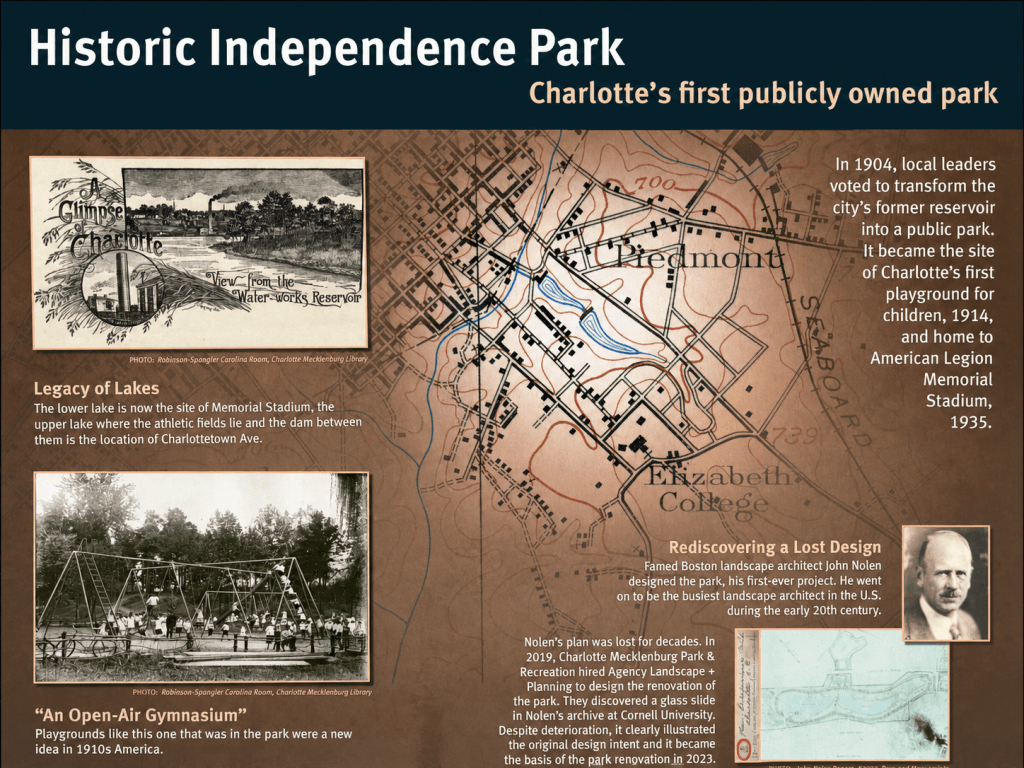
The sign noted that Independence Park was Nolen’s first major public commission, dating to 1905. Charlotte’s civic leaders had voted in 1904 to transform the city’s former reservoir into a public park, and Nolen — then a young Boston-trained landscape architect associated with Harvard’s emerging planning tradition — was brought south to design it.
That alone would have been enough to catch my attention. But the sign added another fascinating layer. Nolen’s original plan for Independence Park had been lost for decades. In 2019, as Charlotte Mecklenburg Park and Recreation prepared for a park renovation, Agency Landscape + Planning discovered a glass slide in Nolen’s archive at Cornell University. Even though the slide had deteriorated, it still clearly showed Nolen’s original design intent. That rediscovered plan became the basis for the park’s beautiful 2023 renovation.
While working there, Nolen was commissioned to design private residential grounds and eventually met developer George Stephens, who became one of his most important Southern patrons. He prepared the plan for Stephens’ Kanuga Lake resort colony near Hendersonville in 1909. Today, Kanuga Lake is the centerpiece of Kanuga Conference, Retreat and Camp Center, a historic Episcopal-affiliated retreat near Hendersonville. What began as George Stephens’ planned mountain resort colony is now a nonprofit retreat setting with lodging, meeting space, historic cottages, trails, camps, and a 30-acre lake.
Stephens himself is worth a brief pause. He was the Charlotte banker, developer, and civic promoter who married into the Myers family and saw the development potential of their farmland southeast of downtown Charlotte — or “uptown,” as Charlotte calls it today. In 1901, he helped establish Southern States Trust Company and became its president. Through later mergers and name changes, that institution became American Trust Company, then North Carolina National Bank, later NationsBank. In 1998, Charlotte-based NationsBank merged with San Francisco-based BankAmerica, kept the better-known Bank of America name, and left the headquarters in Charlotte. So Stephens’ story is not just about Myers Park. It also connects to the banking lineage
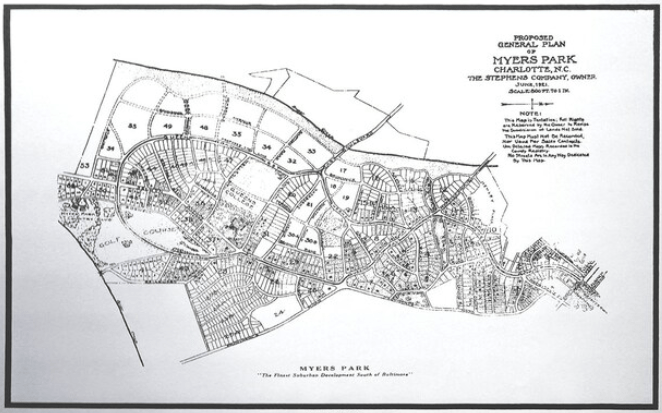
By 1911, Stephens brought Nolen back to Charlotte for the much larger Myers Park commission, one of the South’s landmark planned neighborhoods surrounding Queens University (soon to become Elon University Charlotte).


A few years later, in 1915, Nolen’s firm was at work on Kingsport, carrying many of those same planning principles into the creation of the Model City.


That is where Earle Sumner Draper becomes essential.
Nolen usually receives top billing, but Draper was more than a supporting figure. He worked with Nolen in Charlotte and became one of the young professionals who helped translate these planning ideas into real neighborhoods. As Nolen’s Southern work grew, Draper became his Southern representative and emerged as one of the region’s most important landscape architects and planners.
In many ways, Draper is the bridge between Myers Park in Charlotte, Fairacres in Kingsport, and Sequoyah Hills in Knoxville.
I recently wrote about that connection in an article comparing Fairacres and Sequoyah Hills: “Fairacres: The Lasting Value of a Well-Planned Neighborhood”. But as the Independence Park sign reminded me, the story is larger than those two neighborhoods. There are other places along the way that reveal the same planning lineage.
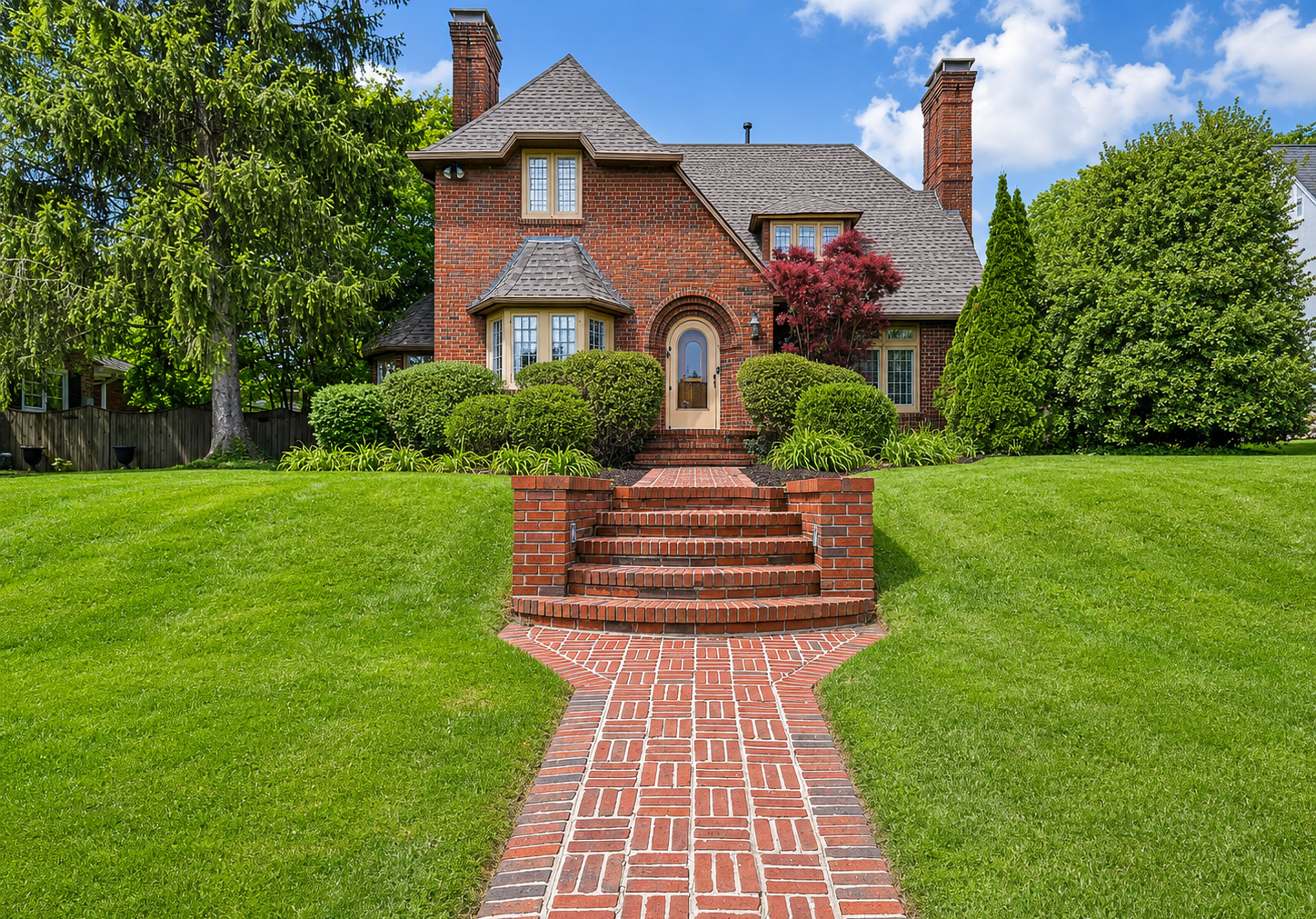
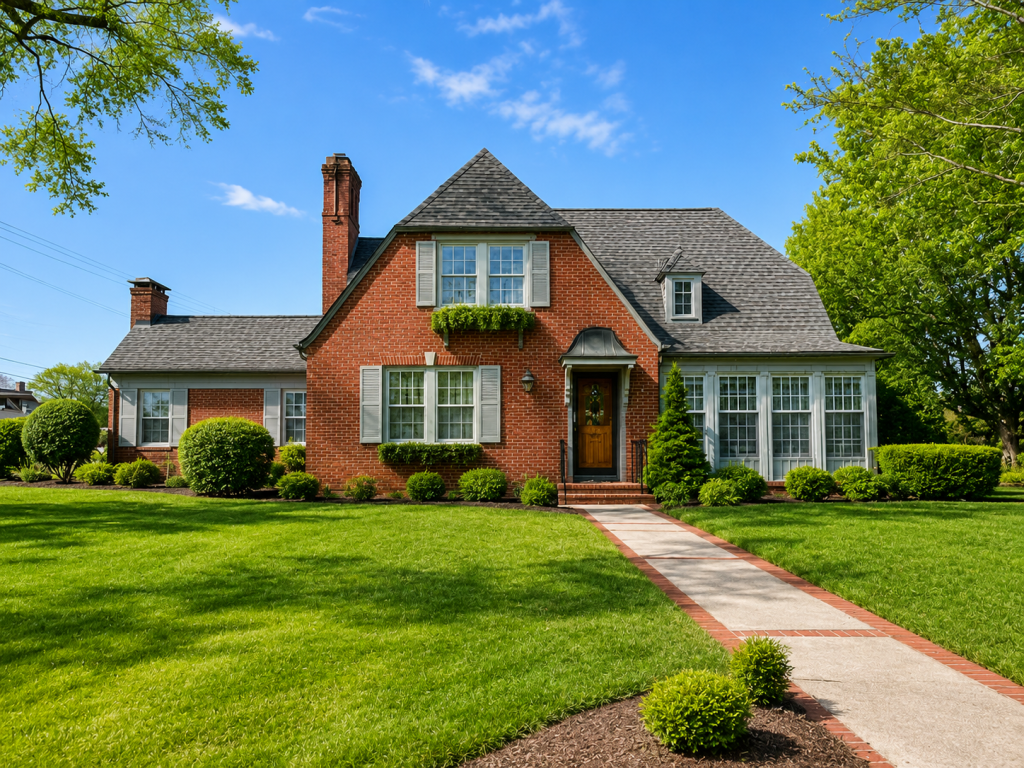
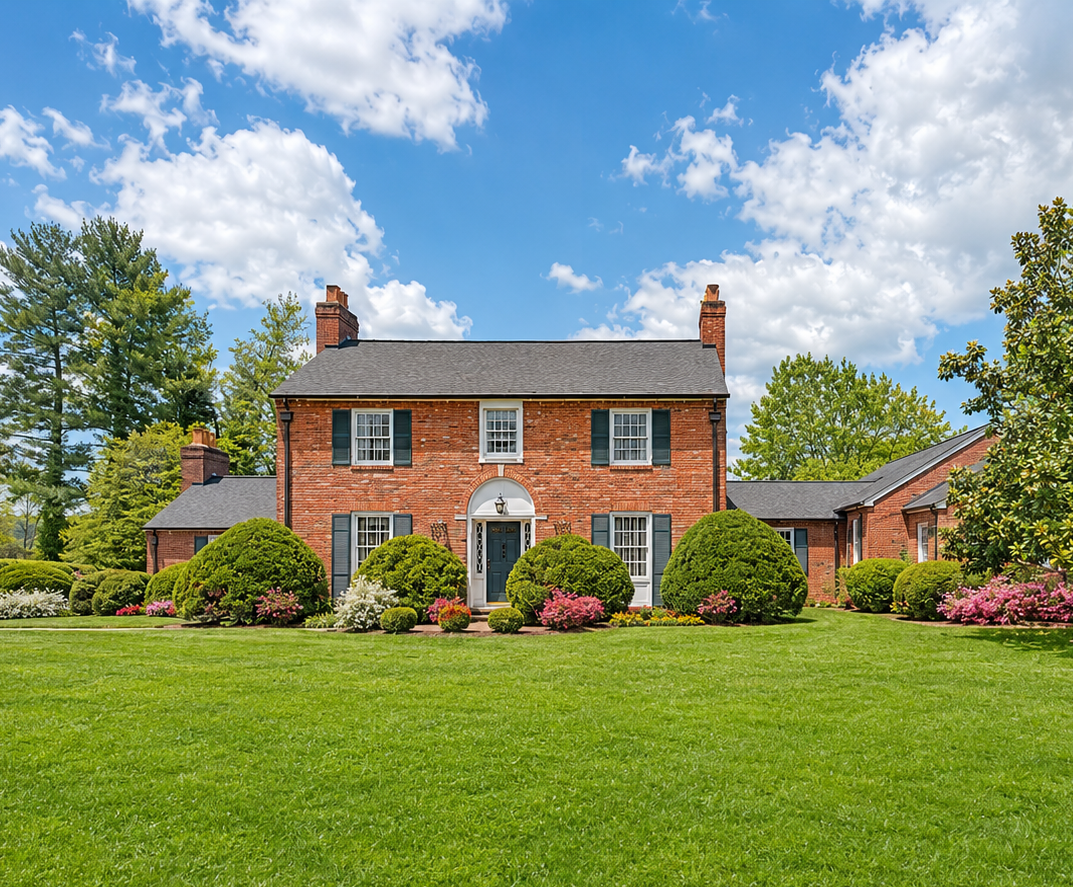
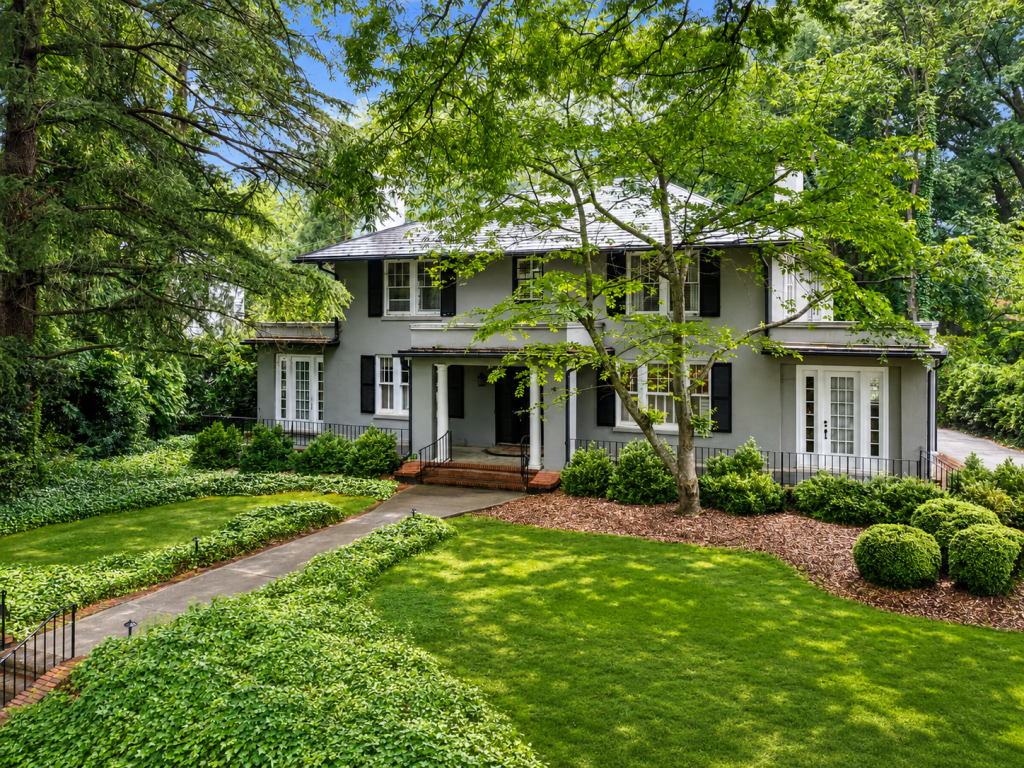
A recent real estate marketing brochure for Myers Park highlighted why it remains one of Charlotte’s most desirable residential neighborhoods. Its appeal is practical as much as historic: access to transportation, schools, shopping, green space, healthcare, culture, and the balance between city convenience and residential peace.
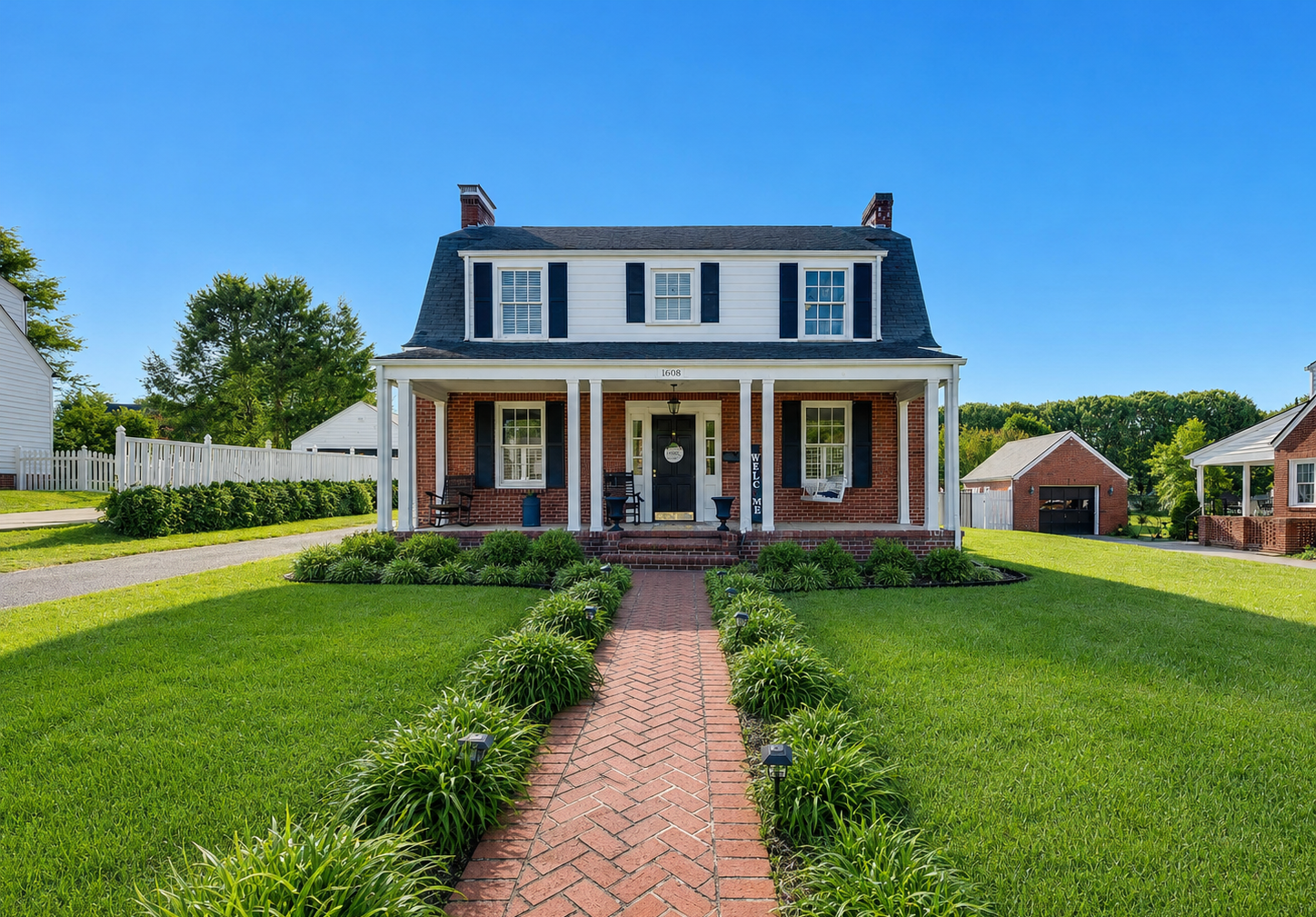
It occurred to me that Fairacres offers many of the same advantages, at Kingsport’s scale.
1. Airport access without airport disruption
Myers Park is roughly 20–30 minutes from Charlotte Douglas International Airport, while still feeling removed from airport noise. Fairacres is 18–28 minutes from Tri-Cities Airport, but outside the flight path and removed from airport noise.
2. Strong school options
Myers Park benefits from nearby public and private schools. Fairacres does, too. Lincoln Elementary, Jefferson Elementary, St. Dominic School, Sevier Middle, Robinson Middle, and Dobyns-Bennett High are all within two miles.
3. A close-knit neighborhood feel
Myers Park is known for its neighborhood-scale character, local shops, and residential charm. Fairacres has that same intimate feel. It is not a subdivision with one entrance, one builder, and one architectural style. It is stitched into Kingsport, with convenient access to groceries, pharmacies, Eastman Road, Fort Henry Mall, and nearby businesses.
4. Green space and outdoor access
Myers Park benefits from major green spaces, especially Freedom Park, with trails, a lake, recreation, and outdoor gathering areas. Fairacres has direct neighborhood access to the Kingsport Greenbelt, a 10-mile trail spanning the width of the city. Its mature trees, varied lots, and streets that bend with the land add to its residential calm.
5. Proximity to the city center
Myers Park offers quick access to Uptown Charlotte for jobs, dining, entertainment, and cultural amenities. Fairacres offers the Kingsport version of that benefit. It is close to Downtown Kingsport, Church Circle, concerts, civic events, restaurants, churches, and the traditional heart of the city.
6. Dining, shopping, and everyday convenience
Myers Park residents benefit from nearby restaurants, boutiques, and neighborhood favorites. Fairacres has easy access to restaurants and shopping along Stone Drive, Eastman Road, Fort Henry Drive, and downtown. It is residential without being isolated.
7. Healthcare access
Myers Park’s location provides access to major hospitals and medical centers. Fairacres has an especially direct version of that benefit, with Holston Valley Medical Center, HMG Medical Plaza, and Indian Path Community Hospital all within two miles.
8. Cultural and civic amenities
Myers Park is close to museums, galleries, theaters, and performing arts venues. Fairacres is close to Kingsport’s Public Library, Senior Center, Fun Fest, Fourth of July Parade, Christmas Parade, downtown events, and civic life. Older close-in neighborhoods are not merely residential; they are tied to the daily life of the community.
These practical benefits help explain why well-planned neighborhoods remain desirable, valuable, and resilient for generations. Their worth is not limited to individual houses. Houses can be remodeled, expanded, updated, or replaced. What is much harder to recreate is the underlying neighborhood pattern: curving streets, mature trees, varied lots, proximity to schools and civic life, and the sense that the place was shaped with intention.
That is one of the lasting strengths of older planned neighborhoods. They were designed before the automobile completely reshaped daily life. They often have shorter blocks, more varied streets, mature tree canopy, and a closer relationship between home and city.
Fairacres reflects those strengths in a distinctly Kingsport way. It offers access to the city without sacrificing peace. It offers older homes without losing relevance. It offers history without becoming a museum. It offers the kind of residential setting newer development often tries to imitate but rarely duplicates.
Together, these places reveal a pattern. Independence Park opened the Charlotte door for John Nolen. Myers Park became Charlotte’s premier example of planned residential design. Kingsport brought those principles into the creation of the Model City. Fairacres translated that language into Kingsport’s residential fabric. Sequoyah Hills carried similar ideas into Knoxville’s riverfront hills.
Running through the story is Earle Sumner Draper, the planner who helped connect these Southern neighborhoods through a shared design philosophy.
That may be the larger lesson.
Good planning leaves fingerprints. Once you notice them, you begin to see them elsewhere, too. Sometimes they are obvious — a boulevard, a park, a median, a gateway. Sometimes they are quieter — the bend of a street, the placement of a house, the rhythm of trees, the way a neighborhood feels settled and worth protecting.
Fairacres still carries those fingerprints. So do Myers Park and Sequoyah Hills.
For Kingsport, that connection is significant. The Model City was never just about industry. It was also about creating places where beauty, order, livability, and permanence were part of the plan from the beginning.
Planning and design count. More than a century later, these neighborhoods remain highly sought after — not simply because of the houses, but because of the long-term value of the places themselves.


Leave a Reply