Recently, my ‘cousin-in-law’, Lucy Fleming (of Fun Fest fame), shared that her native neighborhood, Sequoyah Hills in Knoxville, was recently named one of the “170 Most Envied Places to Live in America” by RE/MAX (August 2025). She recalled fond memories of growing up there — and noted how her longtime Kingsport neighborhood, Fairacres, reminds her so much of home.
As I read the article, one line stopped me in my tracks: Sequoyah Hills was planned by Earle Sumner Draper. You see, Draper also planned Fairacres — and Charlotte’s Myers Park, home to Queens University.
Other notable Draper-designed neighborhoods include Lake Lure (NC), Eastover (Charlotte), Hayes-Barton (Raleigh), Druid Hills (Hendersonville, NC), Emorywood (High Point, NC), and the grounds of Hills & Dales Estate in La Grange, GA — home of the Callaway family.
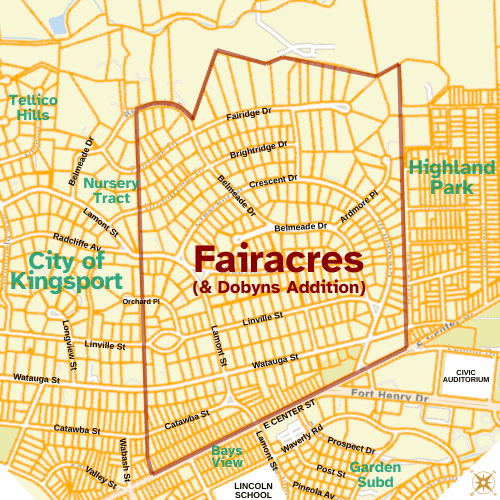
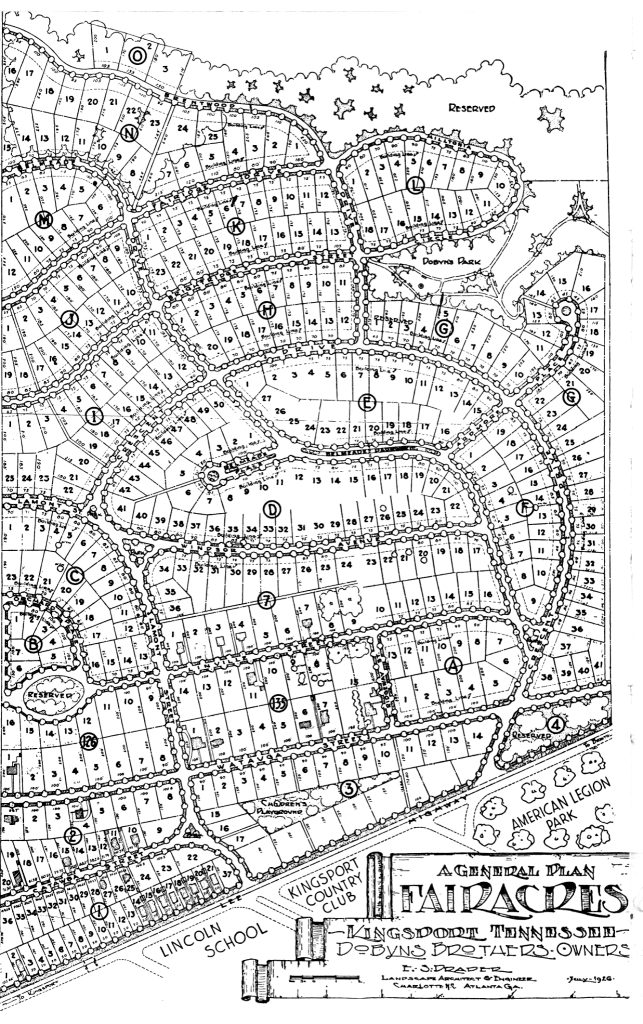
A current tax-parcel map of Fairacres (above) shows the original Draper layout and boundaries, while Draper’s 1926 General Plan for Fairacres (below) is telling: the left and right edges aren’t cut off by accident; those were the actual boundaries that followed the Dobyns Farm–from East Center Street (then Bristol Highway) to the bluff overlooking Reedy Creek. That explains why earlier subdivisions were labeled “Dobyns Addition”.
Interestingly, not every part of Draper’s plan came to life. The area labeled “4. Reserved” was never developed as intended and ultimately became the parking lot for St. Dominic’s School. Likewise, the ghost streets shown on the north side — Brentwood Drive and Milltonia Circle — were either reconfigured or never built at all. That also helps explain one of the neighborhood’s quirks: the small cemetery that now appears oddly placed in the middle of Linville Street once marked the western edge of the old Dobyns Farm. In that original context, its location makes perfect sense.
Maybe there is something to city planning after all — how the built environment shapes how we live and feel. Draper understood that strong neighborhoods require more than streets and lots. They depend on human scale, architectural diversity, tree canopies, green space, and the balance of car and pedestrian life. His plans followed the terrain instead of forcing it into rigid square blocks — a defining hallmark of a Draper-designed neighborhood.
Over time, the name “Fairacres” has been blurred to include surrounding streets. The goal wasn’t to isolate it from the City of Kingsport, but to complement it. Houses side by side can belong to different subdivisions. For example, the 1916 J. Fred Johnson House at 1322 Watauga Street is technically the last in the “City of Kingsport” subdivision, while homes to the east transition stylistically from the 1920s through the 1950s. The same goes for Linville, where 1321 was the city and 1325 began the addition.
We often credit John Nolen of Cambridge, Massachusetts, as Kingsport’s planner. Yet much of the local detail work fell to his southern representative, Earle Sumner Draper, Sr., who opened Nolen’s southern office in Charlotte in 1915. Draper spent two years involved in the planning of Kingsport before establishing his own firm — the first professional city-planning practice in the Southeast.
His career bridged both private and public service. Draper planned industrial towns, parks, universities, cemeteries, and estates. In 1933, he became Planning Director of the Tennessee Valley Authority and later Director of Regional Planning Studies, where he initiated the planning of Norris, Tennessee, along with rural freeways, powerhouses, and dams. After serving as Assistant Administrator and later Deputy Commissioner of the Federal Housing Administration, he returned to private practice following World War II.
Good design, I would argue, adds lasting value and draws reinvestment. Buyers are willing to update older homes — even those without walk-in closets, open plans, or modern kitchens/baths — because the neighborhood itself is desirable. In places like Fairacres, you’ll find a genuine mix of architecture, lot sizes, and price points — the kind of diversity that invites residents from all walks of life.
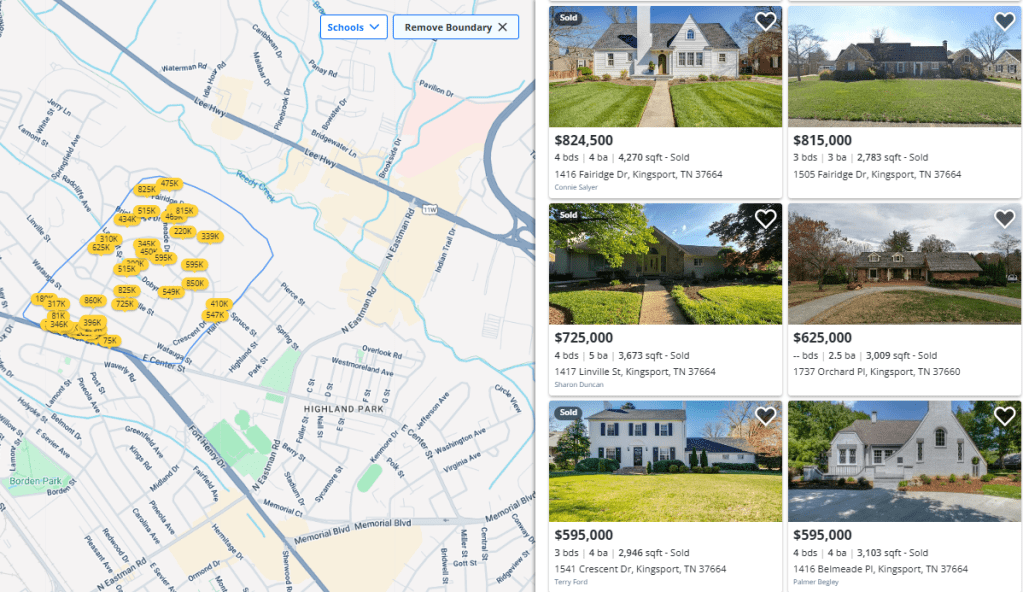
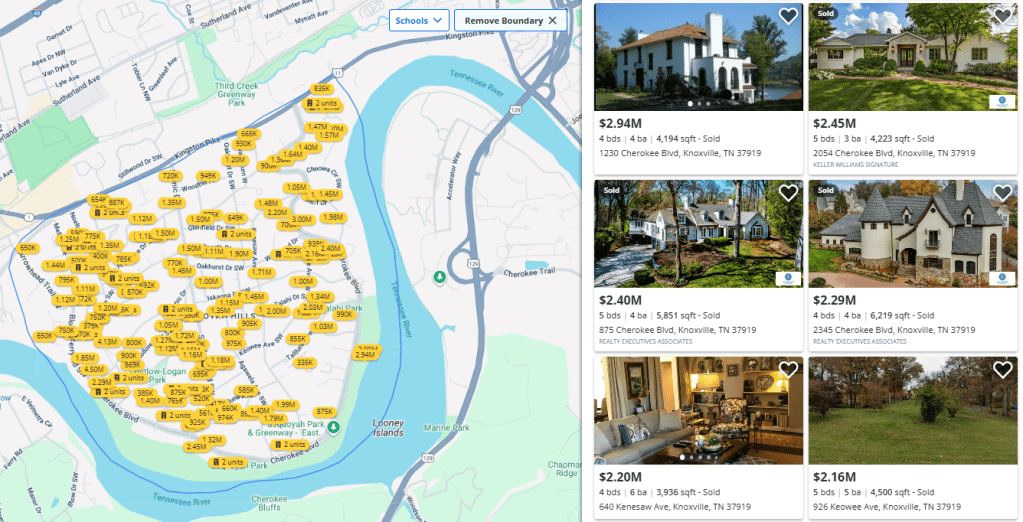
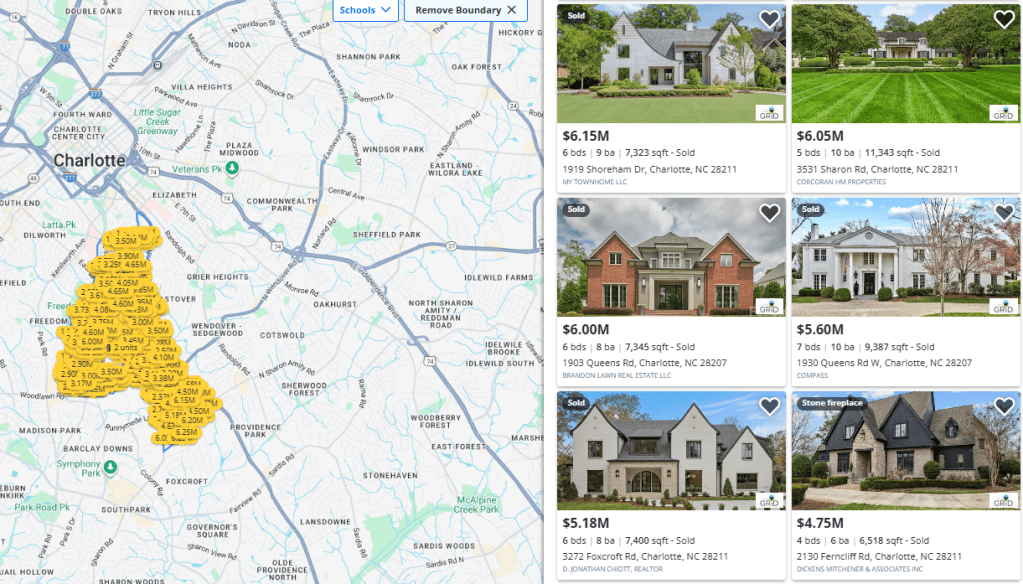
Together, these neighborhoods reveal Draper’s remarkable range — applying the same thoughtful principles across class lines. Draper rejected the monotonous grid for curving streets, landscaped settings, and harmony with nature. Nearly a century later, those same qualities continue to make his neighborhoods among the most sought-after places to live.
And perhaps that’s the ultimate testament. A layperson — someone who simply felt that Fairacres reminded her of Sequoyah Hills — noticed the connection long before realizing it was planned by the same man. She didn’t know the history, but she sensed the design. That tells you everything you need to know: when planning is done well, people recognize it — not with a map or a title, but with their hearts.

 Kingsport Spirit
Leave a comment