KINGSPORT, TN – Newly released census data confirms the success of a vision more than 26 years in the making.
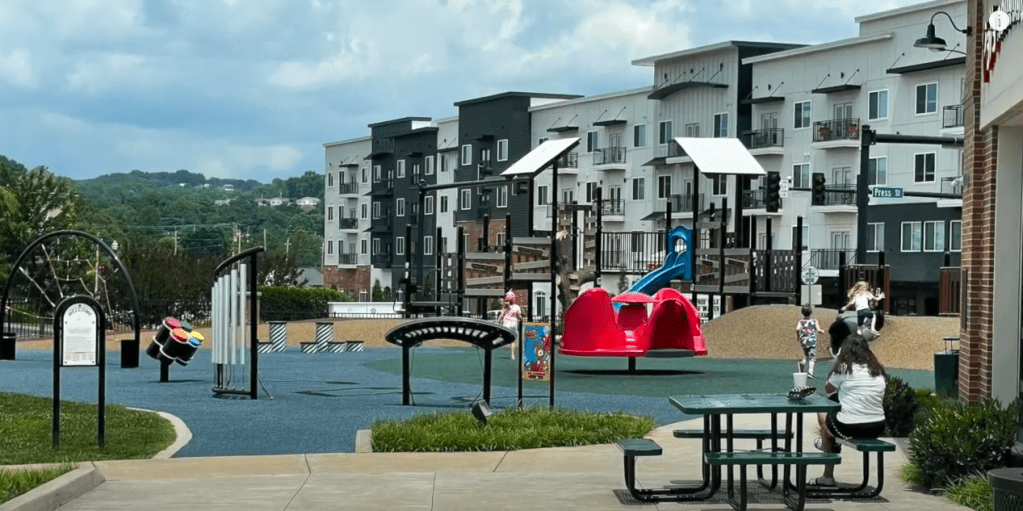
The Model City Coalition was formed in 1997 to set a vision for Downtown. Shortly thereafter, a major Economic Summit was held in 1999. These initiatives occurred after Eastman Chemical Company spun off from Eastman Kodak in 1994—a major transformational change in our community. The economic uncertainties shook the community’s confidence.
Undaunted, determined leaders charted a path to rejuvenate downtown and remodel the Model City.
A NEW STRATEGY
Broad Street and gateways leading downtown underwent significant streetscape enhancements. A Redevelopment Authority was established, and decisions were made to embrace higher education, tourism, conventions, sports events, small business, entrepreneurship, and the promotion of our community as an attractive residence for those with disposable income—a vision set in motion long before the COVID-19 era and subsequent mass migration.
Thus emerged the Move To Kingsport initiative.
AN EMPHASIS ON HOUSING
The initial surge in residential construction began in 2007, before a national recession in 2008, which slowed progress considerably. In a 2012 review of the Model City Coalition Plan, it was noted that upscale apartment complexes hadn’t been constructed in Kingsport since the 1990s. Consequently, employers were directing new and temporary employees to neighboring cities, emphasizing the need to address this void to attract and retain young professionals. The coalition believed that attracting residents with discretionary income was pivotal—resulting in the construction of over 600 new units by 2017, with half of them concentrated downtown. Concerns regarding the deterioration of older apartment complexes were eased as developers invested millions to renovate them.
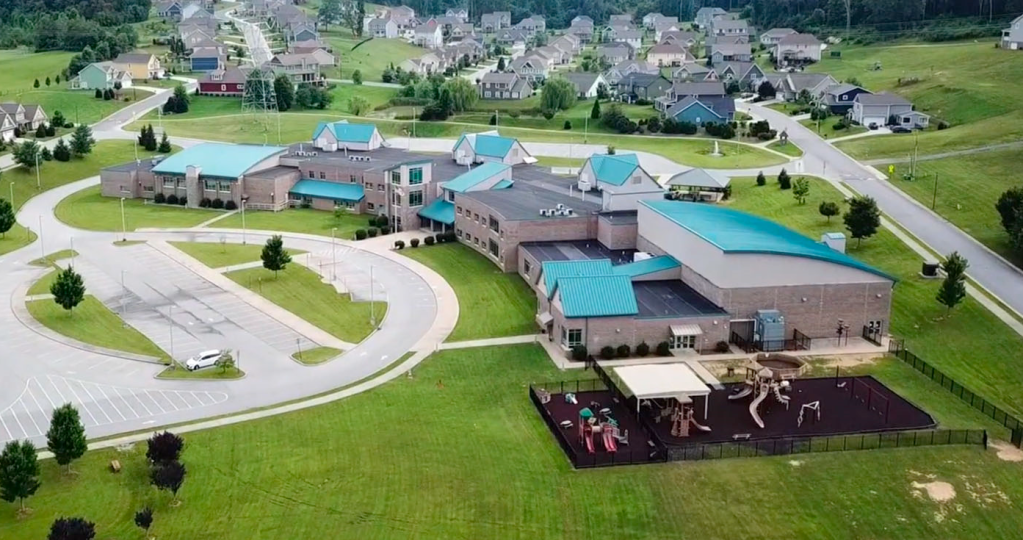
John Adams Elementary School (2009)
The 5-Year American Community Survey, based on a rolling window of data from the U.S. Census, released its 2022 findings on December 7, 2023.
Encompassing pre- and post-pandemic data from 2018 to 2022, this window captured a significant shift in the wake of the 2020 global changes. Kingsport, like other Tennessee communities, became highly appealing to out-of-state buyers, injecting vitality into the local economy. However, there arose concerns that this influx might price locals out of the housing market.
MOST COME FROM TENNESSEE – AND THEY’RE NOT RETIREES
The latest data reveals that, among Kingsport’s total population of 54,696, 8.1% relocated from within the same county within the last 5 years, 4% from elsewhere in Tennessee, and only 2.1% from out-of-state—indicating that the majority of newcomers were already living in-state.
Contrary to popular belief that most newcomers are retirees drawn by Tennessee’s allure of low living costs and high quality of life without state income taxes, the data paints a different picture. While the median age of Kingsport’s overall population is 45, newcomers within the past 5 years exhibit a median age of 26.3 for those relocating within the same county, 35.8 for those from elsewhere in Tennessee, and 29.9 for out-of-state movers.

While Kingsport’s population is still predominantly white (more than 94%), recent data shows a significant influx of diverse residents. Approximately 19% of the city’s 1,834 black residents, 18% of the 2,133 bi-racial or multi-racial residents, and 37% of the 1,402 Hispanic or Latino residents moved here within the past 5 years.

While acknowledging that a city’s work is ongoing and new challenges persist, Kingsport’s population growth and economic sustainability, once threatened by decline, are now on a positive trajectory with a projected 6.5% increase by 2030. Unlike hypergrowth areas in Tennessee, Kingsport is experiencing growth that bolsters the economy without overwhelming infrastructure, clogging roads, and overfilling schools—a balance achieved through years of concerted effort.
THE FUTURE
As city leaders strategize the future of the Model City, staying attentive to shifting trends is crucial. For instance, Americans increasingly favor local, authentic shops and restaurants, yet they appreciate the reliability of franchises for everyday necessities. Kingsport, with a population above 50,000, can support both preferences effectively. If the population grows excessively, daily life could become more challenging, while if it were smaller, it might not offer the opportunities that many Americans seek.
Moreover, tech-savvy and budget-conscious consumers are gravitating towards online shopping, opting for home delivery or local pickups. As more individuals work from home, the need for social connections becomes vital, emphasizing the significance of co-working spaces, communal gatherings, and outdoor areas.
Concerns regarding climate change are leading to an interest in foothills and mountainous regions for protection against severe weather. Kingsport’s array of extensive public parks, abundant trails, and a vibrant downtown with local businesses positions it well for the future.



 Kingsport Spirit
Leave a comment